

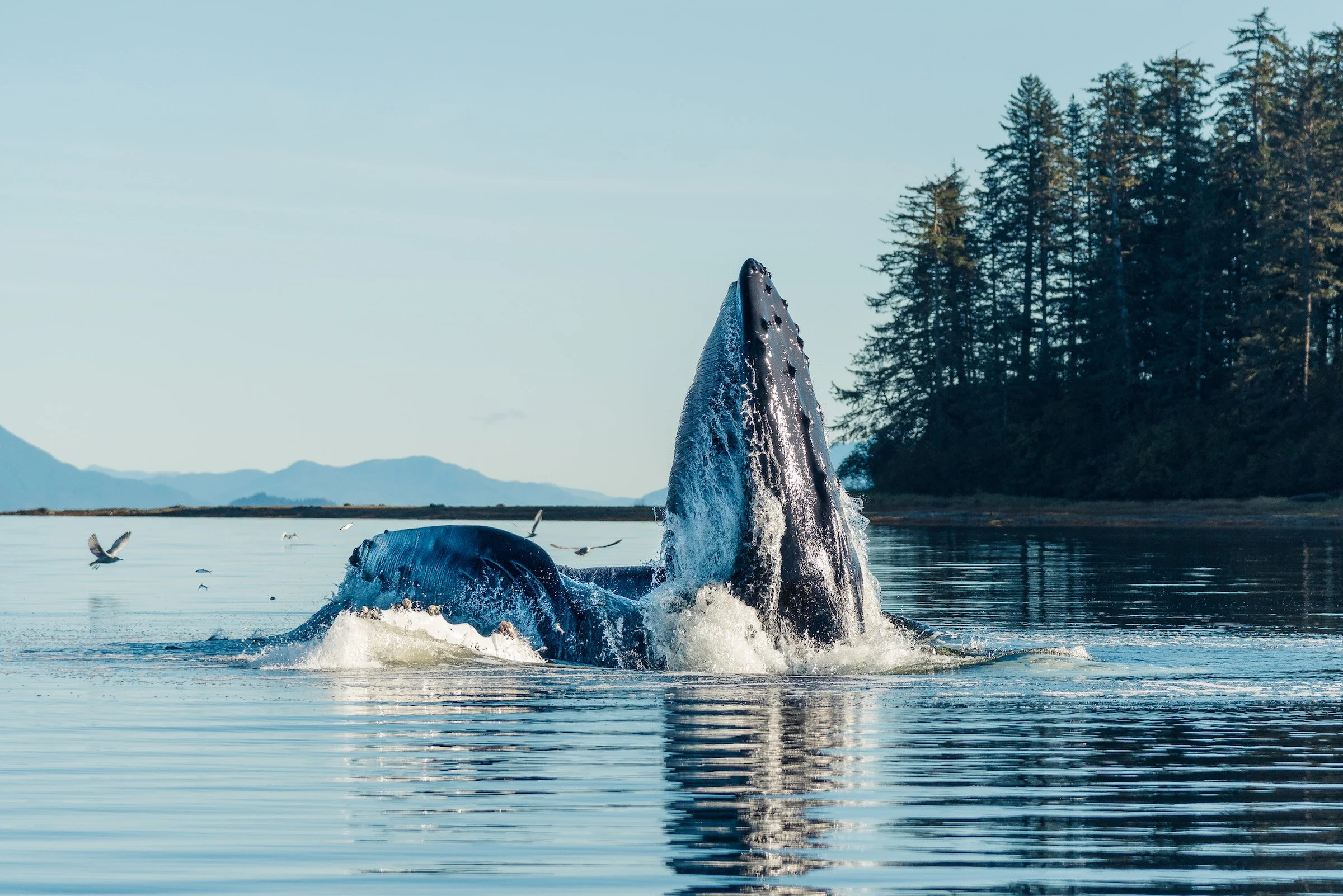
Quick answer
Humpbacks are present in Sitka Sound from roughly April through November, with the densest concentrations in late summer and again during the winter herring run. Orcas, sea lions and porpoises appear year-round. Crescent Harbor itself is open 00:00–23:59 daily with free entry, though water-based viewing requires booking a commercial boat tour rather than simply arriving at the dock.
Some humpbacks skip Hawaii entirely. While most of the North Pacific population migrates south to breed each winter, a stubborn contingent stays in Southeast Alaska through the dark months, feeding on the herring that mass in Sitka Sound. That single behavioural quirk is why the sitka whale season resists the tidy summer-only framing applied to whale watching elsewhere on the coast. What a visitor is dealing with, then, is not one season but overlapping cycles. Spring brings returning animals and the gray whale migration tracking north past the outer coast. Summer holds the largest and most reliable humpback numbers, when bubble-net feeding — a cooperative technique in which a group herds herring inside a curtain of exhaled air — is most often observed. Autumn thins the crowds ashore while the whales remain. Winter concentrates activity around the herring spawn, when the water off Sitka Sound turns milky and the feeding is at its most concentrated. Resident Steller sea lions haul out on rocks year-round; Dall's porpoise and harbour seals are near-constant companions on any Sitka whale watching tour. The practical consequence is that the question is rarely whether whales are present, but which behaviour a visitor hopes to witness and how much daylight the calendar allows. June and July offer long light and settled conditions. November and March offer fewer boats and lower rates, at the cost of shorter days and rougher crossings. Vessels depart from Crescent Harbor in the heart of town, minutes from the Sitka National Historical Park trailhead and the Alaska Raptor Center, so a half-day on the water folds easily into a wider itinerary of Sitka landmarks. Use the calendar as a filter, not a guarantee. Wildlife does not honour bookings, and reputable operators say so plainly. The most useful planning move is to match the month to the behaviour, then build slack into the schedule — two chances rather than one — because weather, not scarcity, is what most often cancels a sighting during the sitka whale season. The dedicated timing, sightings and logistics sections that follow break each of these threads down in detail.
“The question is rarely whether whales are present, but which behaviour a visitor hopes to witness.”
Seasonal Patterns During Sitka Whale Season
The prime window for whale watching in Sitka spans from June through August, when humpback whales are most active in local waters. Targeting these months ensures the highest probability of sightings during the peak migration season.
June–August
Moderate to heavy seasonal traffic50°F–60°F; generally mild and wet
High whale density as populations feed throughout the summer months.
September–October
Lower visitor volume45°F–55°F; increased rain and wind
Migration begins to taper, though whales remain present in the sound.
Weekday mornings
Minimal crowds—
Early arrival between 06:00 and 10:00 provides calm water conditions for optimal wildlife viewing.
Verdict: For the highest frequency of sightings and calmest conditions, visit between June and August, specifically arriving for the 06:00–10:00 departure window.
Wildlife Sightings Expected During Sitka Whale Season
The waters surrounding Sitka host a diverse marine ecosystem, offering frequent opportunities to observe large cetaceans and coastal mammals. Visitors can expect to identify specific species characterized by distinct surfacing behaviors and habitats.
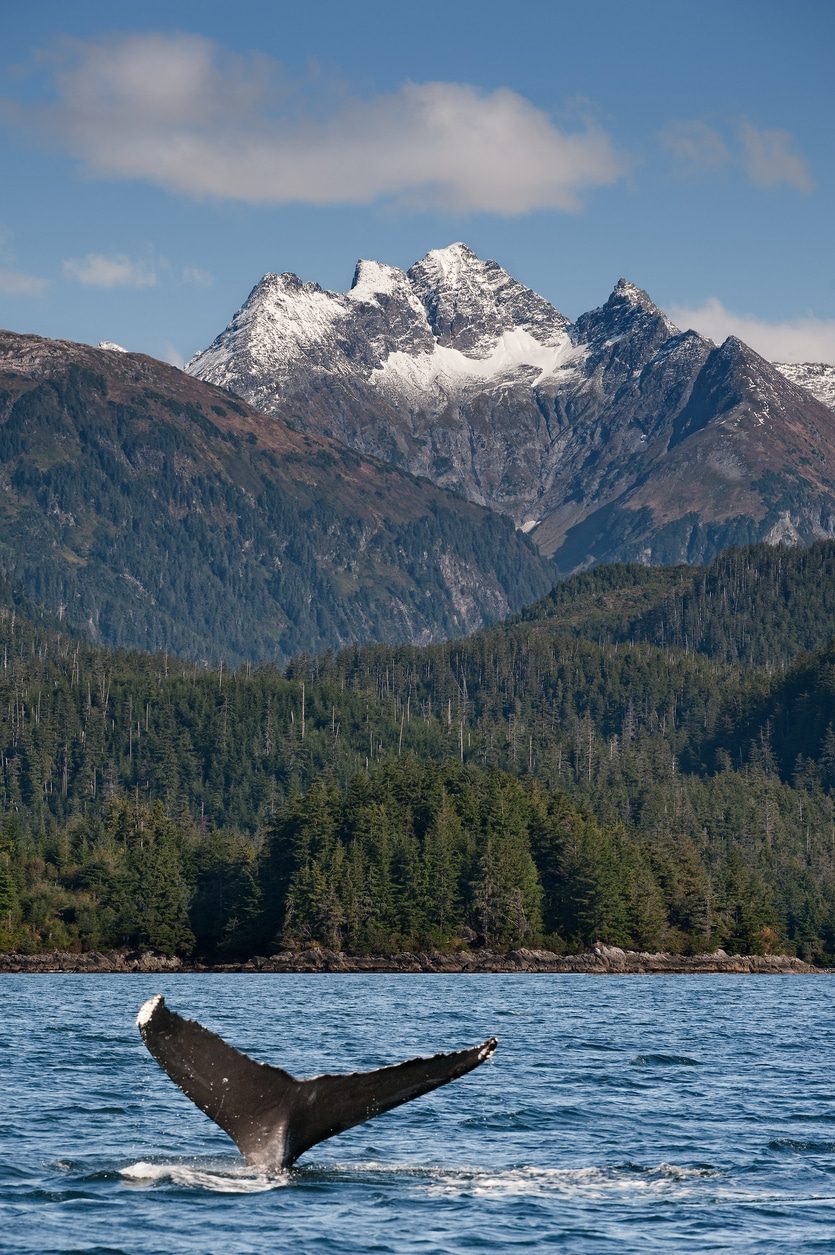
Humpback Whales
These whales are frequently observed performing lunge feeding or breaching near the surface of Sitka Sound. Look for the white underside of their pectoral fins when they roll.
Watch for the blow to track their submerged path.
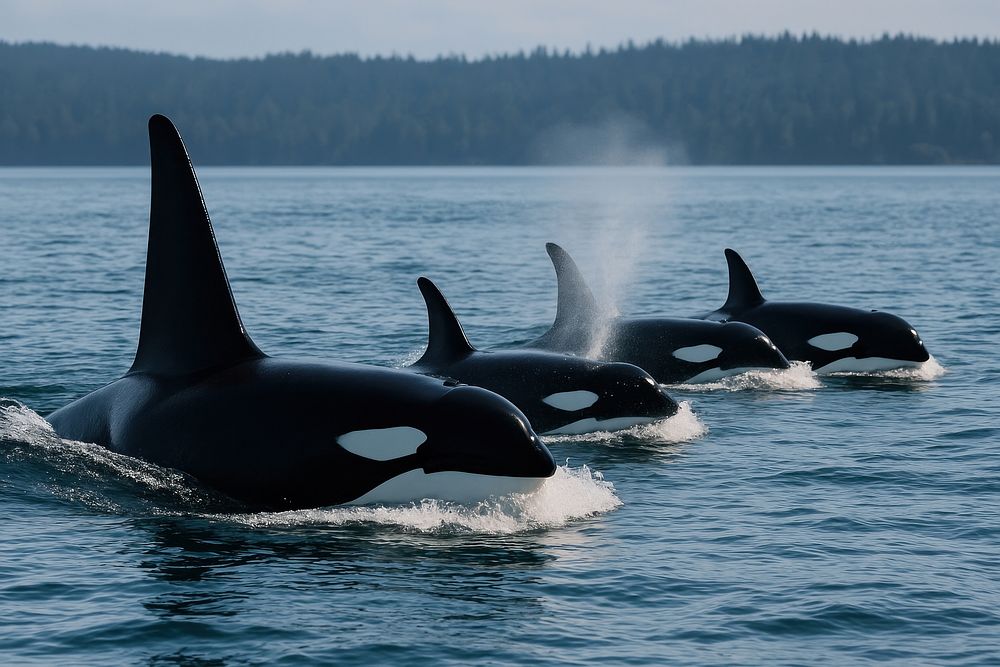
Orcas
Transient orca pods navigate these coastal channels in search of marine mammals. These predators are often identified by their tall dorsal fins and organized group swimming patterns.
Use binoculars to scan for dark fins breaking the surface.
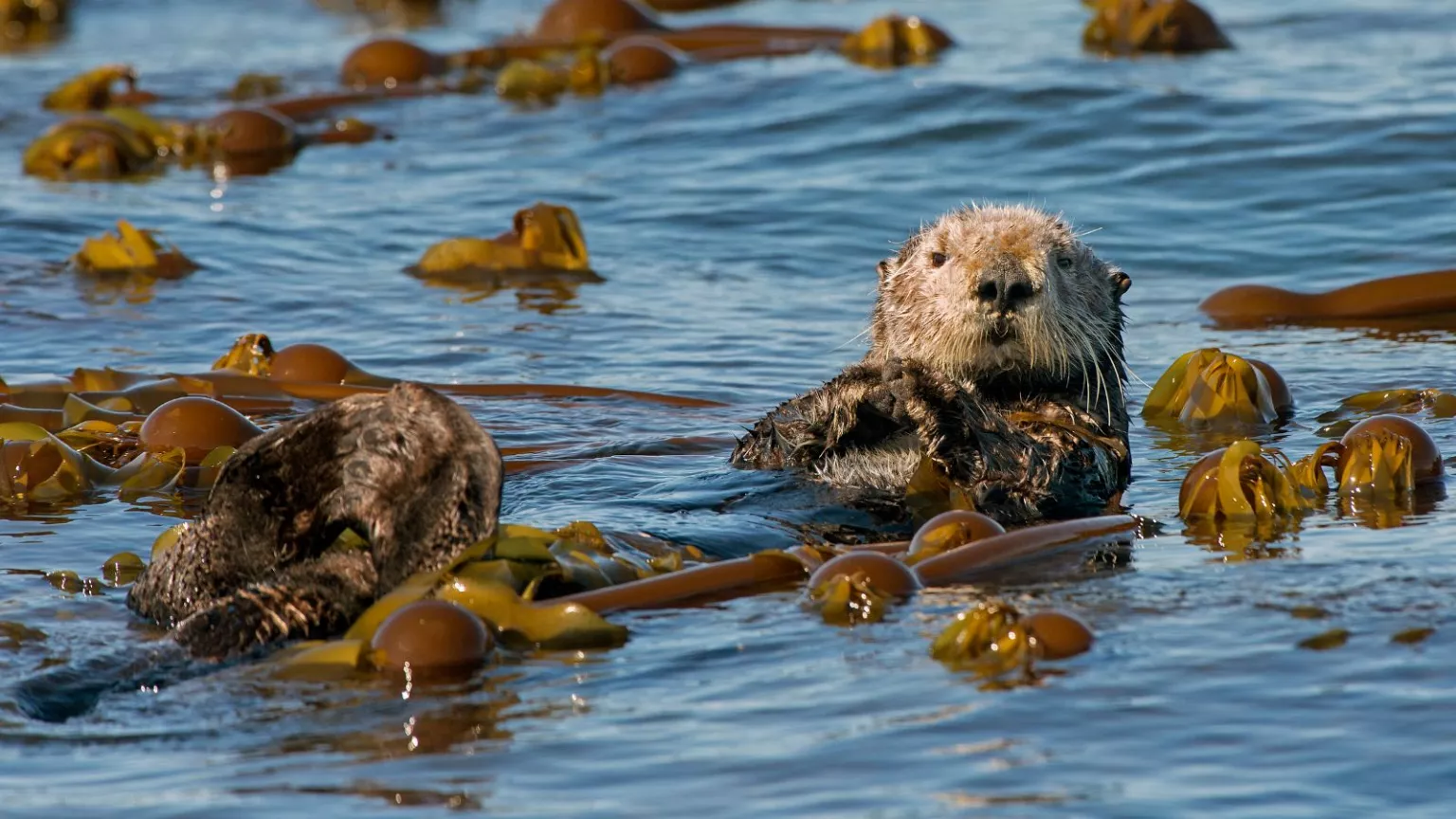
Sea Otters
Commonly found in the kelp forests, these mammals spend much of their time grooming or resting on their backs. They are frequently spotted near the rocky shorelines of nearby islands.
Observe from a distance to avoid disrupting their rest.
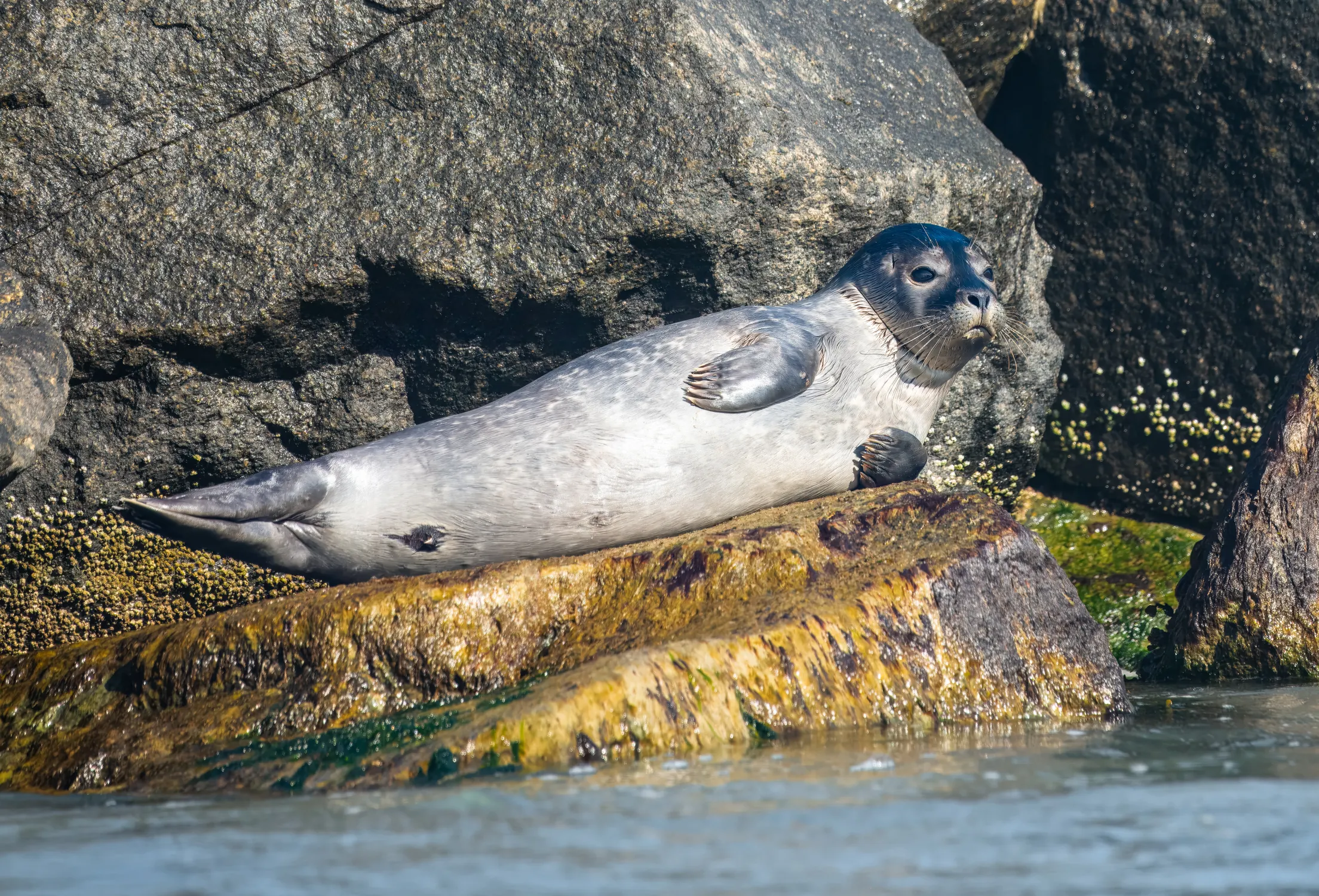
Harbor Seals
These seals often haul out on rocks or glacial ice to thermoregulate throughout the day. They maintain a presence in quiet coves and near the mouth of harbors.
Scan exposed rocky outcrops at low tide.
Operating Schedules for Sitka Whale Season Excursions
The public harbor area is accessible at all times, though commercial whale watching excursions operate on specific schedules.
| Monday | 00:00–23:59 | |
|---|---|---|
| Tuesday | 00:00–23:59 | |
| Wednesday | 00:00–23:59 | |
| Thursday | 00:00–23:59 | |
| Friday | 00:00–23:59 | |
| Saturday | 00:00–23:59 | |
| Sunday | 00:00–23:59 |
Admission and Cost Structure for Sitka Whale Season Tours
Access to the Crescent Harbor area is free for the public. Whale watching requires booking a commercial boat tour, which operates under independent pricing structures.
There is no entrance fee to the harbor, but visitors must pay commercial tour rates which vary based on the provider and season.
Arrival Guidance for Sitka Whale Season Boat Tours
Whale watching departures are located at Crescent Harbor, situated in downtown Sitka. Visitors can easily access the harbor via local transit or by walking from central lodging locations.
Follow Harbor Drive to Crescent Harbor; parking is available nearby.
Walk towards the downtown waterfront near Crescent Harbor.
Request drop-off at Crescent Harbor, Sitka, AK 99835, USA.
Check availability
Frequently asked questions about sitka whale season
Everything you need to know about sitka whale season